ClutchLoop vs. Regular Phone Tethers: Which Is the Best Phone Tether on the Market?
Frontmatter
key: outputs/skills/6f61db02-fcc5-47e5-a9c3-ca9cd9be4024/blog/clutchloop-vs-regular-phone-tethers/POST.md
indexed_at: '2026-09-03T21:16:02.389249+00:00'
agent_id: 6f61db02-fcc5-47e5-a9c3-ca9cd9be4024
coverImage: https://cdn-public.eesel.ai/ab452138-145d-4ab7-9232-b6541a63b7ce/6f61db02-fcc5-47e5-a9c3-ca9cd9be4024/93bc32113042424dafc1703039fc7ea6.png
description: Not all phone tethers are built the same. We break down exactly what
  separates a ClutchLoop from a basic lanyard - and why it matters when it counts
  most.
is_primary_artifact: true
run_id: 32d9f2a3-2241-4718-847f-23b71b121074
seo:
  title: 'ClutchLoop vs. Regular Phone Tethers: Which Is the Best Phone Tether on
    the Market?'
  description: Not all phone tethers are built the same. We break down exactly what
    separates a ClutchLoop from a basic lanyard - and why it matters when it counts
    most.
  image: https://cdn-public.eesel.ai/ab452138-145d-4ab7-9232-b6541a63b7ce/6f61db02-fcc5-47e5-a9c3-ca9cd9be4024/93bc32113042424dafc1703039fc7ea6.png
share_id: qo_cgwonbreF8j_y45DF-Q
skill: blog
slug: clutchloop-vs-regular-phone-tethers
task_id: 6d47d4b7-ec4e-4e7a-9b0a-261532c22681
title: 'ClutchLoop vs. Regular Phone Tethers: Which Is the Best Phone Tether on the
  Market?'
visibility: public
You're deep in a festival crowd, phone out, music pounding. Someone brushes past you - and your phone is gone. Or worse, you feel it get yanked and there's nothing you can do about it.
That's the moment phone tethers were built for.
But spend five minutes on Amazon and you'll see thousands of options - cheap nylon lanyards, decorative rope chains, crossbody phone straps - all claiming to keep your phone safe. So what actually separates a quality phone tether from a flimsy one? And more specifically, what sets ClutchLoop apart from the rest of the pack?
We're going to break it down honestly, feature by feature.
What Is a Phone Tether, Anyway?
A phone tether connects your phone to your bag, belt loop, or clothing so it can't fall, get dropped, or get stolen without you knowing. That's the basic premise.
The difference is in how they do it.
Regular phone tethers (the kind you'll find on Amazon for $8-15) are typically fixed-length nylon cords or decorative wrist lanyards. They keep your phone attached to your wrist or body, but they're not engineered for real security. They dangle, they flop around, and most of them are made of materials that can be cut or snapped in seconds.
ClutchLoop takes a different approach.
The Core Difference: Retractable Steel vs. Fixed Nylon
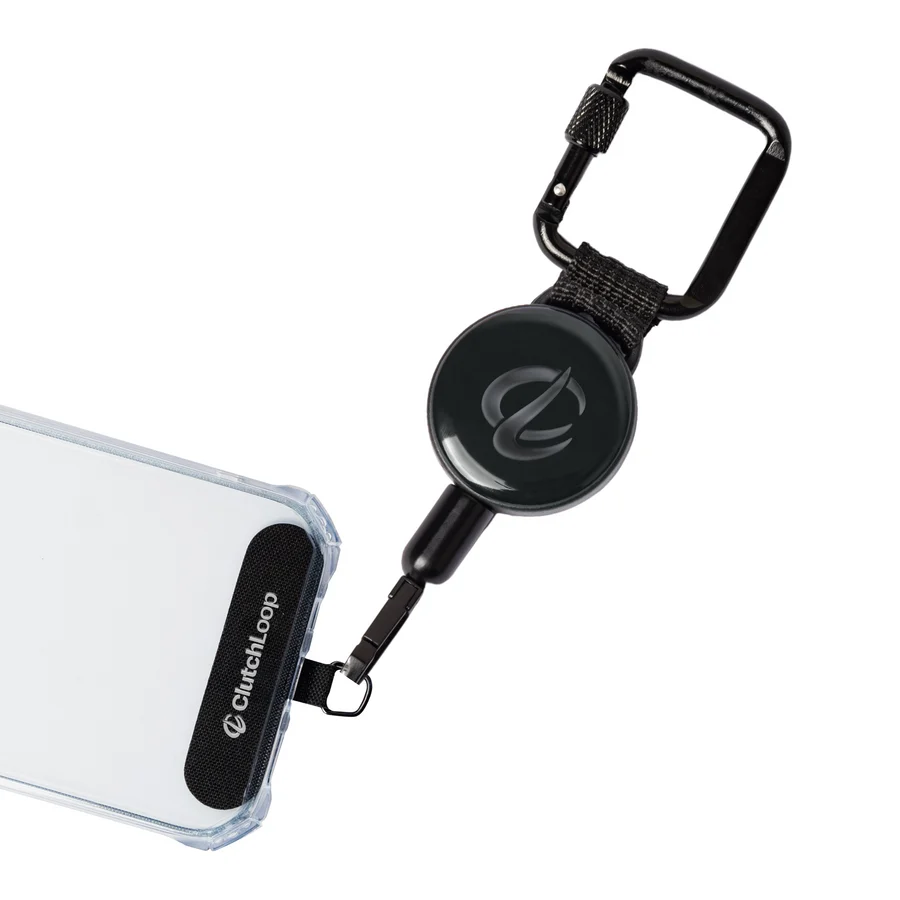
The single biggest difference between ClutchLoop and a regular phone tether is the line itself.
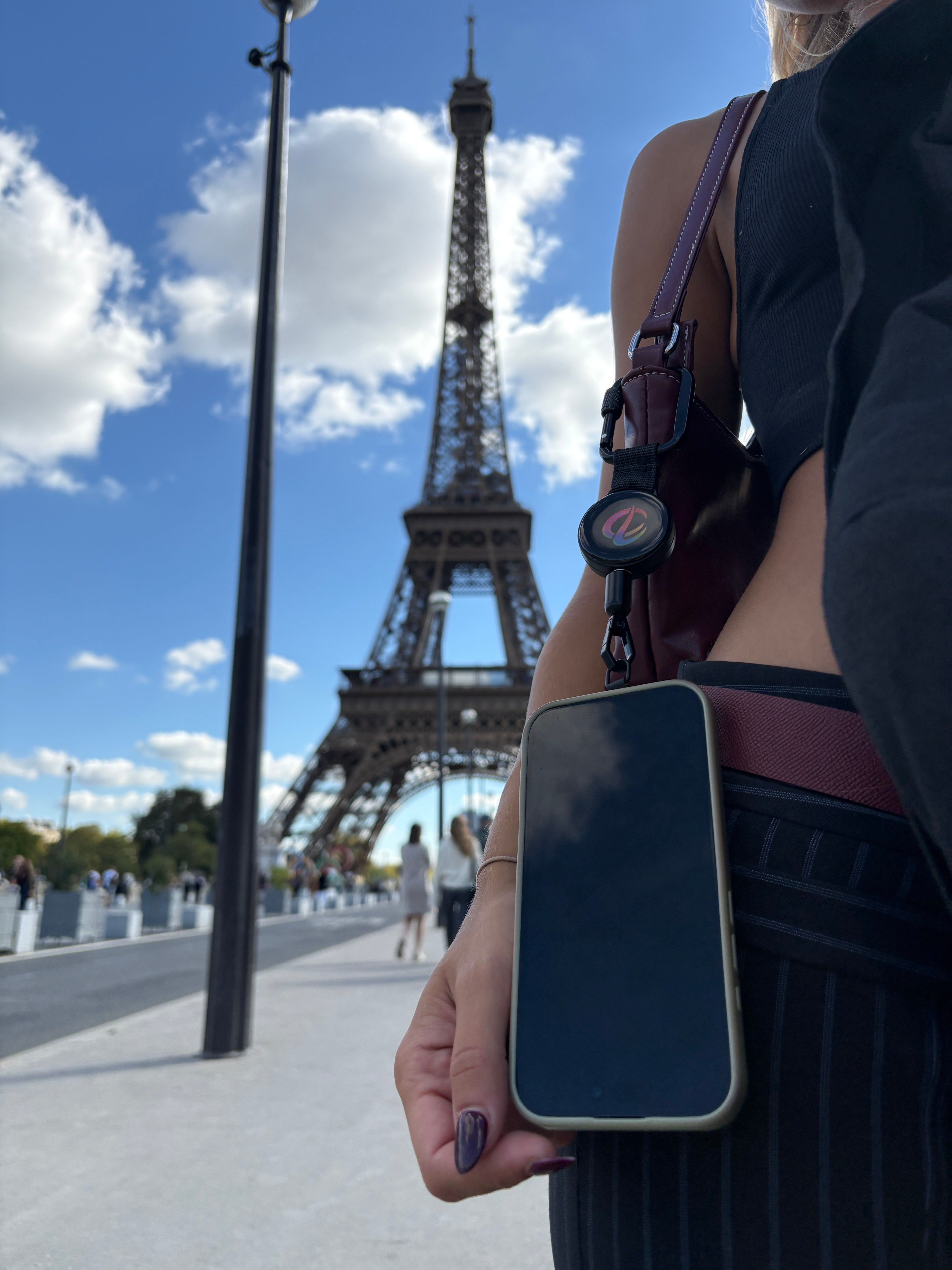
ClutchLoop uses a braided retractable steel line, not nylon, not rope, not fabric. The line extends up to 30 inches when you pull your phone out to use it, then retracts automatically when you let go. It sits tight against your body, not dangling.
Regular lanyards give you a fixed cord. That cord hangs loose, gets caught on things, and doesn't retract - which means your phone is swinging around all day.
More critically: a basic nylon cord can be cut with scissors. Steel line can't. That's not a small detail when you're in a dense crowd where pickpockets specifically look for easy cuts.
Theft Protection That Actually Works
The whole point of a phone tether is to prevent theft. So let's be real about which ones actually do that.
A wrist lanyard keeps your phone attached to you - but if someone grabs it with enough force, you either let go or get pulled. There's no resistance in the tether itself.
A ClutchLoop attached to a carabiner on your bag or belt loop is a different story. The steel line holds up to approximately 10oz on the ClutchLoop 1 (CL1), and up to 49oz on the ClutchLoop 2 (CL2) - well above any phone's weight. That means a grab strong enough to snap the line would require force you'd absolutely feel. The point isn't to hold forever; it's to make theft obvious and slow it down.
Real users have seen it work in the wild. On Reddit's r/UMF: "Yes. But don't let your guard down. My phone tether saved my phone from being grabbed at edco25. I am very happy to pay the $50 to [protect my phone]."
And Travel + Leisure put it simply: "The inconspicuous ClutchLoop Phone Tether secures your phone to a belt loop or bag. Pickpockets who dare to swipe your device will be stifled by..."
How Installation Works - and Why It Matters
Regular phone lanyards loop around your phone with a ring through a case, or clip on with a phone grip. These methods are often clunky and can scratch cases, pop off under pressure, or simply don't work with modern caseless designs.
ClutchLoop uses a universal adhesive anchor that goes directly between your phone and case - not on the outside. Here's how it works:
- Remove the anchor backing and press it firmly onto the back of your bare phone
- Place your case over the phone, sandwiching the anchor
- Feed the small loop through the charging port opening in your case
- Clip the ClutchLoop carabiner to your bag, belt loop, or clothing
The anchor sits flat between phone and case, completely invisible from the outside. No ring sticking out, no bulky attachment, no case modification needed. The carabiner is the only visible part - and it clips to wherever makes sense for how you move.
ClutchLoop 1 vs. ClutchLoop 2: Which One Is Right for You?
ClutchLoop makes two core products, and they're meaningfully different.
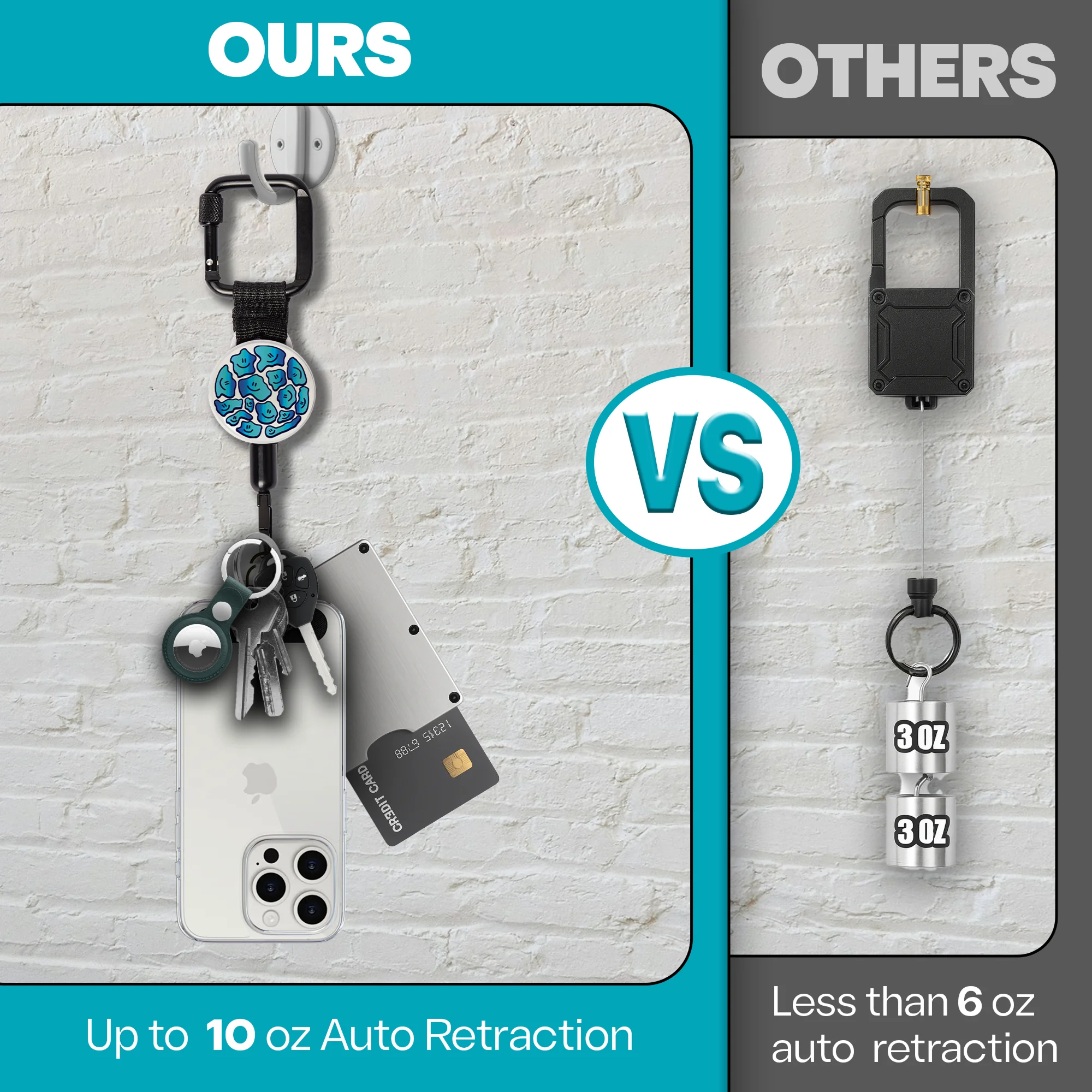
ClutchLoop 1 (CL1) - $30
The original. The CL1 has been tried and tested by 150,000+ users and is the product that built the ClutchLoop community. It uses a 30" braided retractable steel line, a nylon anchor, and a standard carabiner.
It handles phones weighing up to approximately 10oz - which covers most modern smartphones. It's the right choice if you're a first-time tether buyer, festival-goer on a budget, or someone who wants the proven original design without extras.
Available colors: Midnight, DayTrip, Panda, Pinkie, Original.
ClutchLoop 2 (CL2) - $49
Built from the ground up using feedback from CL1's 150,000+ user base, the CL2 is the premium upgrade. It adds four meaningful improvements:
- Magnetic anti-dangle system - the phone magnetically snaps back close to your body when not in use. No dangling cord, no flopping around.
- Metal anchor - replaces the nylon anchor with an ultra-thin metal version that's more durable and won't work loose from your case over time.
- Anti-fray reinforced steel line - built to last significantly longer than the CL1's standard line.
- Stronger carabiner - upgraded with an anti-cut steel core and protective coating.
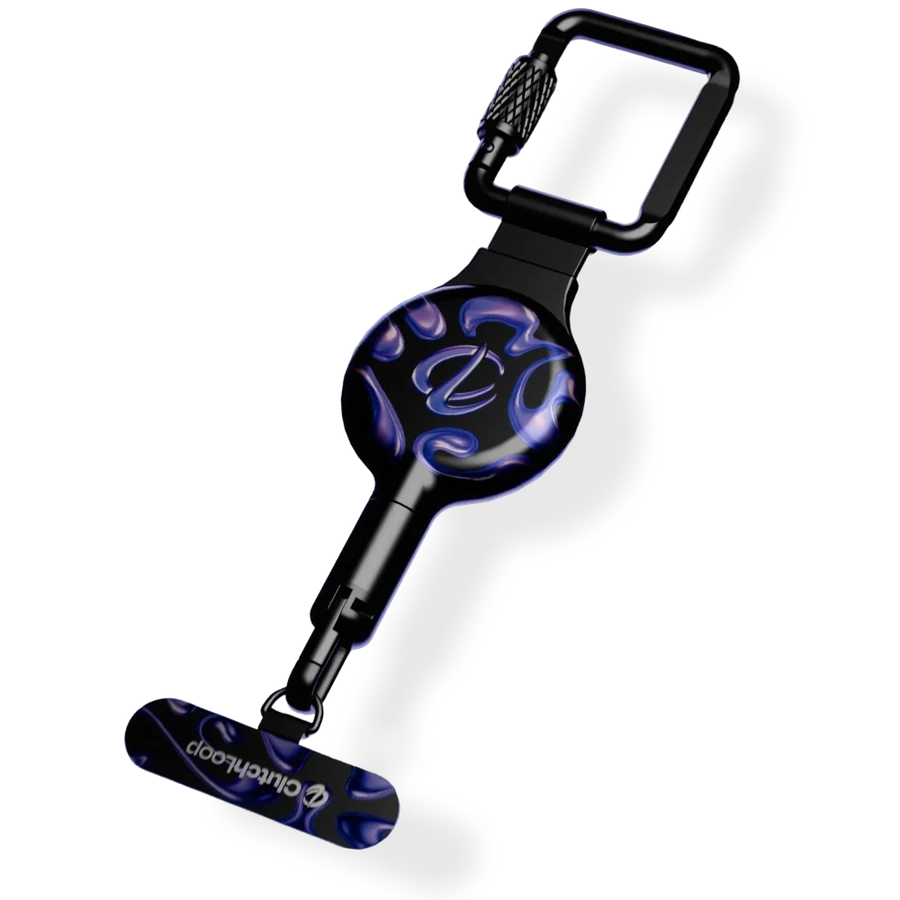
The CL2 also handles up to 49oz - making it ideal for heavy phones like the iPhone Pro Max. If you've got a big phone or you're a heavy daily user, the CL2's upgraded capacity matters.
Note: The CL2 is currently sold out, with new colors dropping late September 2026.
How ClutchLoop Compares to Fashion-First Tethers
There's a growing category of phone tethers that prioritize aesthetics - braided rope crossbody chains, decorative wrist lanyards, fashion-forward straps from brands like Casetify. These can be stylish, and they do keep your phone tethered.
But they're a different product designed for a different job.
Fashion tethers use fabric, rope, or chain - materials that look great and can be cut or snapped without much effort. They're typically designed to be worn around your wrist or neck, which means the phone is attached to you rather than secured to something fixed like a bag or belt loop. In a crowd, that's a meaningful difference.
The Reddit community around festivals has picked up on this. Searches for "ClutchLoop dupes" are a real thing - a signal that ClutchLoop has effectively become the category standard, and people are looking for alternatives at lower price points. But as users in r/HerOneBag noted: "Works great. Still easy to put phone in my pocket. Can make it a wristlet with ease. Works like a charm. Deter theft. It's a good combo for me!" - the retractable steel line is the feature that makes the combination work in a way a lanyard can't replicate.
Real-World Use: Where ClutchLoop Shines
The dominant use case across ClutchLoop's community is festivals and concerts - dense crowds, lots of movement, limited pockets, and heightened theft risk. It's where the retractable steel line earns its price.

The second biggest use case is travel - particularly in cities known for pickpocketing (Amsterdam, Barcelona, Rome). The Travel + Leisure feature brought ClutchLoop to a mainstream travel audience, and it's become a staple in travel communities including the Rick Steves Europe Facebook group.
As one r/electricdaisycarnival reviewer noted: "Very high tension holds your phone up with the greatest of ease. Your phone can dangle with minimal slack which is really cool."
One important note from the community: ClutchLoop users consistently warn against over-reliance. The tether dramatically reduces theft risk, but it's most effective combined with other security habits. Don't let having a tether make you complacent.
The Bottom Line
| Regular Lanyards | ClutchLoop 1 (CL1) | ClutchLoop 2 (CL2) | |
|---|---|---|---|
| Line material | Nylon/fabric/rope | Braided steel | Reinforced anti-fray steel |
| Retractable | No | Yes, 30" | Yes |
| Anti-dangle | No | No | Yes (magnetic) |
| Weight capacity | Low | \~10oz | \~49oz |
| Anchor type | Ring/loop | Nylon adhesive | Metal adhesive |
| Theft resistance | Low | High | High+ |
| Price | $8–15 | $30 | $49 |
The honest answer: if you're buying a phone tether for actual security - not just as an aesthetic accessory - a regular lanyard doesn't come close. The steel retractable line is the entire point. It's cut-resistant, it retracts out of the way, and it clips to something fixed rather than just wrapping around your wrist.
CL1 at $30 is the entry point, and it's more than good enough for most people. CL2 at $49 is the upgrade worth getting if you carry a heavier phone, want the magnetic convenience, or just want the most durable version available.
150,000+ users have put these to the test. The patent is real. The community's enthusiasm is genuine - and the theft prevention stories aren't invented.
Try ClutchLoop
Ready to actually protect your phone? Shop ClutchLoop at clutchloop.com - the original ClutchLoop starts at $30, with free standard shipping on US orders over $70.
Not sure which one to get? CL1 is the proven choice for most people. CL2 is for anyone who wants the magnetic anti-dangle system or carries a heavier device. Either way, you'll be covered.
Before You Go…
Here are a few handpicked articles to inspire your next self-care moment.